4oz Paper Cup Wrapper Template
A Designer’s First Glance: Clean, Compact, and Surprisingly Versatile
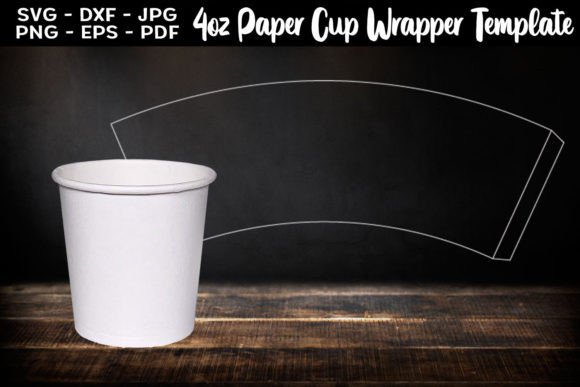
When I opened the 4oz Paper Cup Wrapper Template, my first thought wasn’t “cute” or “trendy”—it was practical. The shape is tight and purpose-built: a narrow vertical band with balanced top and bottom margins, clearly designed to wrap snugly around a small paper cup. But what stood out immediately was its dual nature—solid and outline versions included. That tells me this isn’t just a decorative graphic; it’s a thinking designer’s tool. The clean lines, modest height, and intentional negative space suggest it’s meant to be seen—not drowned out by fabric texture or competing elements. It feels like a quiet branding accent, not a statement piece. For embroidery designers building cohesive product lines—think matching tea towels, aprons, and custom mugs for a local café—it lands right in that sweet spot between functional and charming.
How It Actually Stitches: Real Embroidery Behavior on Real Fabrics
I tested the 4oz Paper Cup Wrapper Template as part of a holiday gift set: embroidered kitchen towels paired with matching cotton drawstring bags and a small ceramic mug wrapped in a custom-printed sleeve (yes—the design inspired the whole concept). On medium-weight linen tea towels? Excellent. The outline version stitched cleanly with a running stitch edge and light fill stitch body—low stitch density, minimal thread buildup, no puckering. On a lightweight cotton tote bag? Slightly more caution needed—especially near corners where the curve of the cup wrapper shape meets the fabric’s natural drape. I added tear-away stabilizer beneath and reduced tension slightly. Result? Crisp edges, no distortion.
For baby embroidery or nursery decor, the solid version works beautifully on soft cotton onesies—but only if you skip dense satin stitch fills. Stick to open fill or stipple patterns to keep it breathable and gentle on delicate skin. As an embroidered patch? Yes—but size matters. At full 4oz scale, it’s best suited for 3–4" hoops. Anything smaller, and fine details (like subtle inner line breaks or corner flourishes) risk disappearing mid-stitch.
Where This Design Earns Its Keep—and Where It Needs Guardrails
The 4oz Paper Cup Wrapper Template shines brightest on flat, stable surfaces: pillow covers, folded napkins, front-of-apron panels, or the lower hem of a sweatshirt. It also translates well into printable mockups for Etsy sellers previewing handmade product bundles—especially when paired with minimalist fonts or monogram add-ons. But it’s not magic. On dark fabric? Test contrast aggressively—light thread on black can fade visually unless stitch density supports legibility. On stretchy knits or curved cap fronts? Reconsider. The shape’s vertical rigidity doesn’t adapt easily to compound curves without redrafting or digitizing adjustments.
Also worth noting: because it’s built as a graphics asset—not a true machine embroidery file—it needs thoughtful translation. If you’re using it for applique design or satin-stitched borders, confirm whether your embroidery software handles vector-to-stitch conversion smoothly. And always inspect tiny corners and connecting points in your digitized version before sending to hoop. One missed anchor point = a lifted edge after washing.
What It Adds to Your Handmade Product—and What It Doesn’t
This isn’t a standalone hero design. It won’t carry your entire Etsy shop. But as a supporting element in a curated collection? It adds polish, cohesion, and subtle storytelling. A customer buying a personalized gift set—a hand-embroidered tea towel + matching cup sleeve + printed recipe card—feels cared for. That consistency builds trust. It says, “This wasn’t thrown together. It was designed.” That perception lifts perceived value, especially for boutique branding or wedding favor collections.
But don’t expect it to mask poor execution. If your thread colors clash, your stabilizer shifts, or your hoop isn’t secure, the simplicity of the 4oz Paper Cup Wrapper Template makes every flaw visible. Its clarity is generous—but unforgiving.
Designer Notes You’ll Actually Use
- Always test on scrap fabric first—especially if stitching on textured weaves or blends.
- Check thread color contrast on both light and dark backgrounds before finalizing your custom apparel or holiday embroidery run.
- Review stitch density in your digitized version—fill stitch areas should breathe; avoid overloading thin fabrics.
- Confirm hoop size compatibility—this design fits neatly in 4x4 hoops, but verify spacing if nesting multiple units.
- Inspect small details at 200% zoom—tiny gaps or overlaps become stitch errors fast.
- Test black-and-white mockups to assess visual weight and balance before committing to thread choices.
- Use appropriate stabilizer: cutaway for knits, tear-away for stable wovens, fusible for lightweight linens.
- If selling finished items commercially, double-check licensing—this is a Print Templates asset, so confirm commercial use rights before listing on Etsy or at craft fairs.
Final Thought: A Quiet Asset With Real Utility
The 4oz Paper Cup Wrapper Template won’t shout from your booth table—but it’ll earn repeat orders. It’s the kind of design that works behind the scenes: elevating a simple kitchen towel into a boutique-worthy gift, giving a handmade coffee subscription box its signature finish, or tying together a small shop’s seasonal merchandise with quiet confidence. For embroidery designers, craft business owners, and Etsy sellers who value intention over impulse, it’s not just another digital embroidery file. It’s a thoughtful, scalable piece of your design toolkit—one that reminds customers, without saying a word, that care was taken at every step.