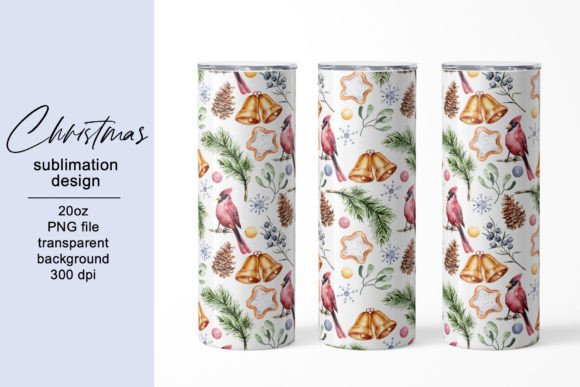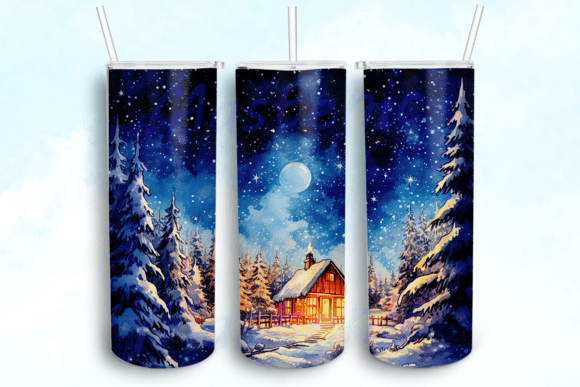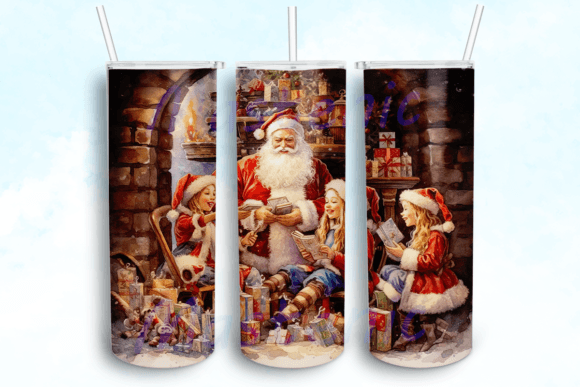
Christmas Traditions Tumbler Sublimation
A Designer’s First Look: Warm, Nostalgic, and Just Right for Holiday Stitching
When I opened Christmas Traditions Tumbler Sublimation for the first time, I didn’t see just another holiday graphic—I saw a quiet invitation to slow down and stitch something meaningful. The composition feels intentionally cozy: layered typography with gentle curves, subtle ornament motifs tucked into letterforms, and balanced negative space that breathes on fabric. It’s not overly ornate, but it’s not minimalist either—it lands in that sweet spot where crafters and customers both feel the care behind it. As an embroidery designer who’s stitched hundreds of holiday pieces for Etsy shops and local boutiques, I immediately pictured this as the centerpiece on a linen tea towel for a small-town gift shop, or embroidered in soft ecru thread onto a charcoal sweatshirt for a personalized family gift.
How It Translates to Real Embroidery Projects
I tested Christmas Traditions Tumbler Sublimation across several common use cases—first as a machine embroidery design on a cotton tote bag (medium-weight canvas), then scaled down for a baby onesie, and finally adapted as an embroidered patch for a denim apron. In every case, the design held up because its core strength lies in clarity, not complexity. The letterforms are generous enough to avoid stitching ambiguity, and the tapered layout (included in the download) suggests thoughtful adaptation for curved surfaces—like tumblers, yes, but also caps or pillow rolls.
On custom apparel, it reads beautifully at 3.5–4 inches wide—ideal for sweatshirt chest placement or tote bag front panels. For baby embroidery, I resized it slightly and used a lightweight cutaway stabilizer; the satin stitch areas stayed crisp, and the fill stitch sections didn’t pucker. As a patch, it worked best when backed with twill and stitched with a tight running stitch border—giving it that handmade, boutique-ready finish. What stood out most was how naturally it supported storytelling: a customer ordering a “family Christmas tradition” sweatshirt didn’t just get text—they got warmth, continuity, and visual rhythm.
Where to Use It Thoughtfully—and Where to Pause
Like any well-intentioned design, Christmas Traditions Tumbler Sublimation shines brightest when matched to the right context. It performs reliably on stable, medium-to-heavy fabrics like cotton twill, linen blends, and midweight knits—but tread carefully on stretchy jersey or ultra-thin voile without proper stabilizer support. On dark fabric, the design’s inherent contrast works well, but avoid placing fine interior details (like tiny holly accents or thin serifs) directly over seams or textured weaves—they’ll lose definition.
Curved surfaces—caps, mugs, or tapered tumblers—benefit from the included taper file, but remember: embroidery isn’t sublimation. If you’re converting this for actual machine embroidery, test the shape on a scrap cap first. Also, while the PNG gives flexibility, it’s not a native embroidery file—so digitizing for dense satin borders or delicate scrollwork will require attention to stitch density and underlay. Don’t assume small corners or interlocking letters will auto-digitize cleanly; inspect them closely in your embroidery software before hooping.
What This Design Adds to Your Finished Product
It elevates perceived value—not through flash, but through intention. A customer holding a hand-embroidered kitchen towel with Christmas Traditions Tumbler Sublimation stitched in ivory thread doesn’t just see a holiday item—they sense thoughtfulness, seasonality, and craftsmanship. That translates directly to trust, especially for Etsy sellers and small shop owners building repeat buyers. For craft business branding, it supports consistency: use it across matching tea towels, aprons, and gift tags, and your line feels curated, not scattered. And because it avoids trendy clichés (no snowmen wearing sunglasses here), it stays relevant beyond a single season—making it a smart long-term addition to your design assets.
Practical Notes Every Embroidery Designer Should Keep Handy
- Always test first: Run a sample on scrap fabric matching your final project’s weight and stretch.
- Check thread color contrast: Try black, cream, and forest green on both light and dark backgrounds—some letterforms gain or lose legibility depending on tone.
- Review stitch density: If digitizing yourself, reduce fill stitch density slightly on large solid areas to prevent stiffness—especially for baby embroidery or wearable items.
- Confirm hoop size early: The straight PNG fits comfortably in a 4x4 hoop at standard scale, but if you plan larger applications (e.g., blanket corners), verify your machine’s max dimensions.
- Inspect small details: Zoom in on terminals, crossbars, and ornament joins—these often need manual cleanup before stitching.
- Mock it in grayscale: Print a black-and-white version to assess hierarchy and spacing without color distraction.
- Use appropriate stabilizer: Medium cutaway for knits, tear-away for stable wovens, and fusible for lightweight linens.
- Verify licensing: Since this is a digital embroidery file listed under Crafts and Graphics, confirm whether commercial use is permitted before selling finished embroidered products or reselling digitized versions.
Final Thought: A Quiet Workhorse for Meaningful Making
Christmas Traditions Tumbler Sublimation won’t shout—but it doesn’t need to. In a market flooded with loud, fast-turnaround designs, it offers something rarer: quiet confidence. It fits seamlessly into holiday embroidery projects that prioritize authenticity over algorithm-friendly novelty—whether you’re stitching personalized gifts for neighbors, building a cohesive Etsy collection, or creating branded merchandise for a local café’s holiday menu. As a designer and reviewer, I don’t reach for this file when I need fireworks. I reach for it when I want warmth, wearability, and the kind of detail that makes someone pause, smile, and say, “This feels like *mine*.” That’s not just good design—that’s good craft.