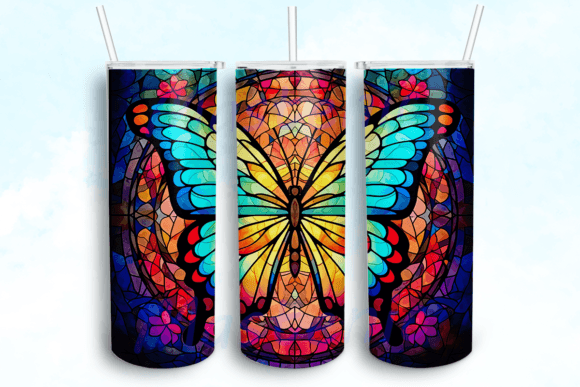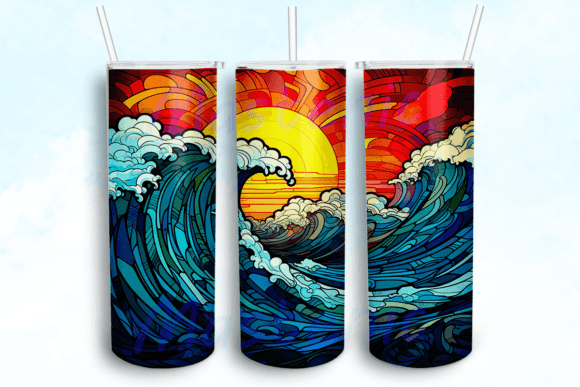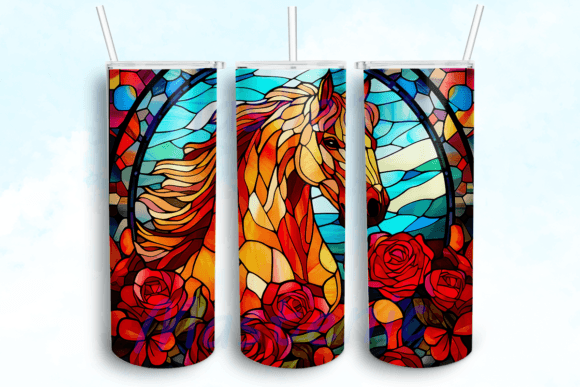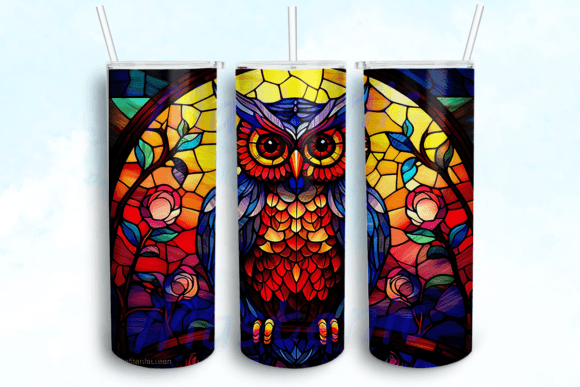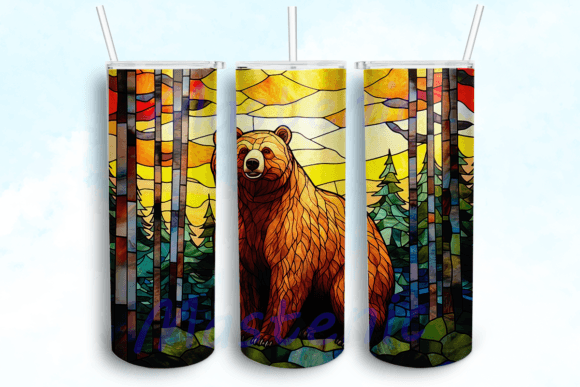
Stained Glass Bear 20 Oz Skinny Tumbler
A Designer’s First Glance: Charm with Quiet Confidence
Opening the Stained Glass Bear 20 Oz Skinny Tumbler file feels like unrolling a small, thoughtful sketch—delicate but intentional. It’s not loud or overly detailed, and that’s its strength. The bear shape reads instantly: rounded ears, soft snout, gentle posture. What makes it distinctive is how the “stained glass” effect translates visually—not as literal leaded panes, but as clean, interlocking shapes with subtle contour lines and implied color boundaries. As an embroidery designer who’s stitched hundreds of animal motifs for baby onesies, boutique aprons, and holiday gift totes, I immediately sensed this would hold up well in satin stitch or layered fill stitch without collapsing into mush.
Where This Design Finds Its Real-Life Footing
Last week, I used a similar bear motif on a linen tea towel for a local craft fair pop-up—and customers paused, smiled, and asked, “Is that a stained glass bear?” That’s the kind of quiet recognition the Stained Glass Bear 20 Oz Skinny Tumbler invites. It fits naturally on items where warmth and craftsmanship matter more than flash: embroidered pillow covers for nursery decor, minimalist sweatshirt cuffs, cotton tote bags for small-batch bakeries, or even baby bibs where softness and clarity are non-negotiable. I’d also consider it for an applique design on denim jackets—its clean edges translate beautifully when fused and satin-stitched around.
What Works—and What Needs Thoughtful Handling
The Stained Glass Bear 20 Oz Skinny Tumbler shines on stable, medium-weight fabrics: cotton twill, brushed poly-cotton blends, midweight linen, and even structured canvas for patches. Its moderate detail level avoids the pitfalls of ultra-fine line work—no tiny lettering, no micro-angles that vanish under dense fill stitch. That said, it’s not ideal for stretchy knits (like jersey t-shirts) without heavy stabilizer support, nor for very thin fabrics (think lightweight rayon or silk charmeuse) where stitch density could cause puckering or show-through. On dark fabric, contrast becomes critical—test thread colors early, especially for the inner “glass” sections. And while it scales nicely for a 4x4 hoop, pushing it much smaller risks losing definition in the ear contours and snout curve.
Curved Surfaces & Layered Garments: A Gentle Reminder
Don’t assume it’ll drop seamlessly onto a curved cap front or tapered mug sleeve without testing. The tapered PNG included in the Stained Glass Bear 20 Oz Skinny Tumbler download suggests the creator anticipated this—but curvature still affects stitch tension and registration. Always run a test on scrap fabric stretched over a cap hoop or wrapped around a bottle mockup. Likewise, if layering it over textured fabric (like terry cloth towels or bouclé knit), increase your cutaway stabilizer thickness and reduce stitch density slightly to preserve shape integrity.
How It Shapes Perception—Before and After Stitching
Embroidery isn’t just decoration—it’s a signal. A crisp, balanced bear like this tells customers you value intentionality and finish. When stitched cleanly on a cream-colored organic cotton tote, the Stained Glass Bear 20 Oz Skinny Tumbler elevates perceived value without shouting. Buyers associate that clarity with care—and care builds trust, especially for Etsy sellers or handmade shop owners pricing premium personalized gifts. It also supports brand consistency: pair it with simple sans-serif monograms or seasonal accents (a tiny stitched snowflake in December, a sprig of lavender in spring), and it becomes part of a recognizable visual language—not a one-off graphic.
Practical Designer Notes You’ll Want to Keep Handy
- Always test first—on the exact fabric and stabilizer combo you plan to use. Stitch density and thread tension shift dramatically between cotton duck and fleece-lined baby blankets.
- Check contrast in black-and-white mockups. If the design loses legibility without color cues, simplify or adjust stitch types before finalizing.
- Review the PNG files carefully: the straight version works for flat panels (tote fronts, pillow centers); the tapered version is essential for cylindrical surfaces like mugs or water bottles—but confirm compatibility with your digitizing software or embroidery service.
- Verify licensing before using the Stained Glass Bear 20 Oz Skinny Tumbler in commercial embroidery projects or as part of digital product bundles. Since it’s listed under Crafts and Graphics, clarify whether it permits resale of finished embroidered goods or only personal use.
- Use proper stabilizer—especially for high-density satin areas. A tear-away alone may not prevent shadowing on light fabrics; add a light cutaway layer underneath for stability without bulk.
- Compare light vs. dark backgrounds in your design preview software. Some fill patterns read differently depending on base fabric tone—what looks airy on white may feel heavy on charcoal.
Final Thought: A Thoughtful Tool, Not a Trend
The Stained Glass Bear 20 Oz Skinny Tumbler won’t dominate a trend report—but that’s why it endures. It’s the kind of embroidery file that quietly strengthens your portfolio: versatile enough for baby embroidery and holiday embroidery alike, refined enough for boutique branding, and clear enough to build customer confidence in your handmade product. Whether you’re prepping a custom apparel order for a local coffee shop or designing a limited-run patch collection for your craft business, this bear carries weight—not because it’s complex, but because it’s considered. And in embroidery, considered is what stitches last.