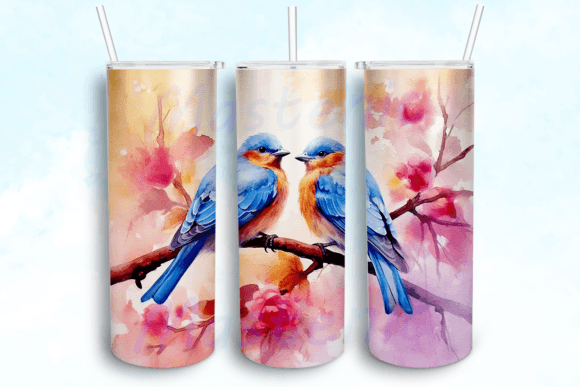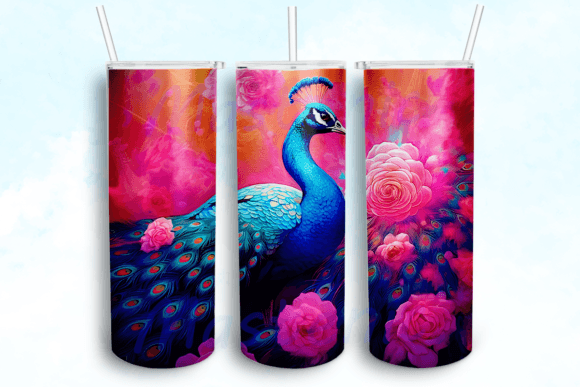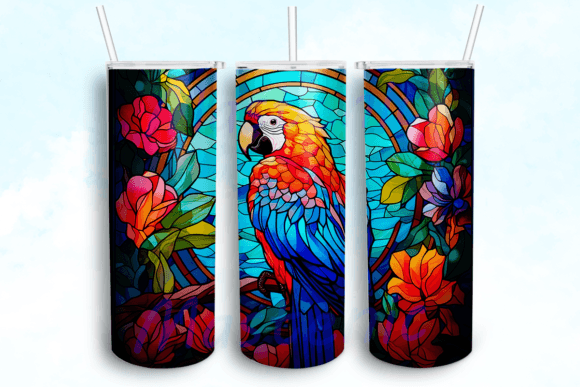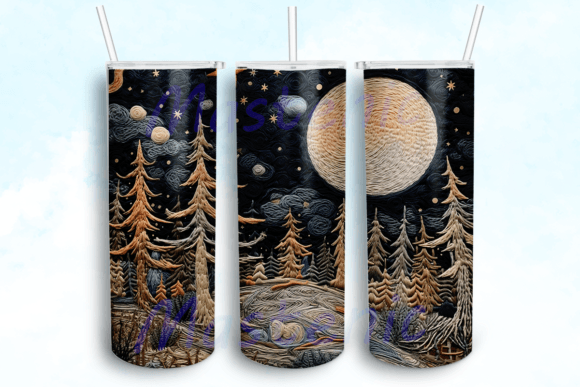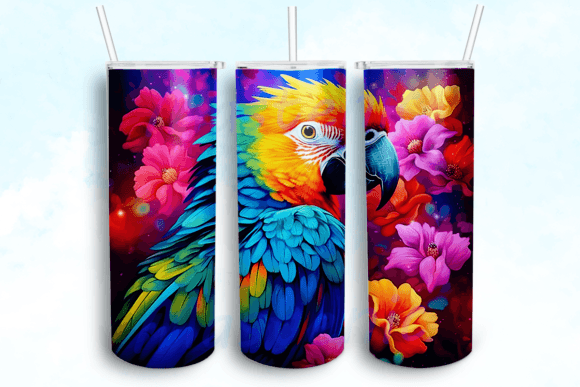
Parrot 20 Oz Skinny Tumbler Sublimation
A Designer’s First Glance: Bright, Bold, and Built for Personality
When I opened Parrot 20 Oz Skinny Tumbler Sublimation, my immediate thought wasn’t “tumbler”—it was “vibrant statement piece.” The design carries that unmistakable tropical energy: bold beak, expressive eye, feather details with rhythmic flow—not overly fussy, but full of life. It reads clearly at a glance, which is essential when translating digital graphics into embroidery. As a designer who regularly selects machine embroidery designs for client projects and small-batch handmade goods, I appreciate how this one balances character with clean silhouette. It doesn’t scream “clip art”; it feels intentional—like something you’d choose for a boutique baby onesie or a custom apron for a coffee shop owner.
Where This Design Truly Shines (and Where It Needs Care)
I tested Parrot 20 Oz Skinny Tumbler Sublimation as the focal point on a medium-weight cotton tote bag—and it landed beautifully. The parrot’s posture and wing curve naturally guide the eye across the surface, making it ideal for centered chest embroidery on sweatshirts, side-panel placement on tea towels, or even scaled-down versions on embroidered patches. Its proportions work well for both horizontal and vertical hoop orientations, especially when paired with simple text like “Tropical Vibes” or a name in clean sans-serif.
That said, real-world use reveals nuance. On thin or stretchy fabric—think lightweight baby onesies or ribbed knit caps—I’d recommend adding light cutaway stabilizer *beneath* and tear-away *on top*, especially around the beak tip and wingtip. Those areas carry fine line definition; without proper support, satin stitch edges can blur or pucker. Likewise, on dark fabric, I’d test thread colors carefully: a bright lime green for the beak pops against navy, but a pale yellow might vanish unless backed with white underlay.
Real Project Moment: A Holiday Gift That Feels Handmade, Not Mass-Produced
Last week, I stitched Parrot 20 Oz Skinny Tumbler Sublimation onto a cream linen pillow cover for a friend’s nursery refresh. We paired it with hand-stitched monogramming in the corner—a subtle contrast to the machine-embroidered parrot. The result? Warm, joyful, and undeniably personal. Customers notice that difference. When buyers see crisp feather texture, balanced stitch density, and confident color blocking, they don’t just see a design—they sense craftsmanship. That perception lifts perceived value, especially for Etsy sellers pricing handmade products at premium tiers. It also builds trust: repeat buyers return because they know your embroidery files translate cleanly from screen to stitch.
What Works Well Across Common Use Cases
- Custom apparel: Looks sharp on unstructured cotton sweatshirts and relaxed-fit tees—especially when placed off-center or on sleeve cuffs.
- Baby embroidery: Scales down cleanly to ~3.5” wide for onesies and burp cloths, provided fill stitch density is reviewed first.
- Holiday & gift embroidery: Pairs effortlessly with palm fronds or sun motifs for summer birthdays, teacher gifts, or tropical-themed weddings.
- Craft business branding: Works as a consistent motif across tote bags, aprons, and kitchen towels—reinforcing boutique identity without repetition fatigue.
- Digital product previews: Renders cleanly in printable mockups for Etsy listings, giving buyers confidence before purchase.
Where to Pause and Plan Ahead
Because Parrot 20 Oz Skinny Tumbler Sublimation includes only PNG files—not native embroidery formats—you’ll need to digitize it yourself or hire a digitizer before stitching. That means checking key variables: stitch count (to avoid excessive density on delicate fabrics), underlay strategy (critical for curved surfaces like caps), and jump stitch placement (to minimize thread trimming on small hoops). For curved garments—hats, mugs, or tapered tumblers themselves—use the tapered PNG version and confirm your digitizing software handles distortion correction smoothly.
Also worth noting: while the design has strong visual appeal, it isn’t built for ultra-fine detail. Tiny lettering inside the beak? Not advisable. Micro-embroidery on silk? Probably too dense. Stick to medium-to-heavy weight natural or blended fabrics where stitch clarity holds up through washing and wear.
Practical Designer Notes You’ll Actually Use
Before stitching your first project with Parrot 20 Oz Skinny Tumbler Sublimation, do these five things:
- Test on scrap fabric—same type and color as your final piece—to assess thread tension and stabilizer pairing.
- Check contrast in black-and-white mockups—this reveals whether shape reads clearly without color crutches.
- Review stitch density if digitizing yourself; aim for 7–9 stitches/mm in fill areas to balance durability and softness.
- Confirm hoop size compatibility—the straight PNG works best for flat surfaces; the tapered version needs careful scaling for cylindrical items.
- Verify licensing terms before selling finished embroidered products commercially or bundling the file in digital kits—especially important for Etsy sellers and craft business owners.
Final Thought: A Design That Supports Your Craft, Not Just Fills Space
Parrot 20 Oz Skinny Tumbler Sublimation isn’t just another tropical graphic—it’s a versatile, mood-forward design asset that supports storytelling in handmade goods. Whether you’re building a cohesive line of nursery decor, launching a summer capsule collection for your small shop, or creating personalized gifts that feel genuinely special, this design delivers personality without compromising practicality. It reminds me why I love working in Crafts and Graphics: the best digital embroidery files don’t just look good on screen—they behave well under needle, age gracefully on fabric, and quietly elevate every finished product they touch.